Hotel TV Electricity Costs: Reading the Label and Calculating Real Use
November 14, 2026
Research period: October 2026
By COTT.TV Hospitality Technology Research Desk·Published November 14, 2026·8 min read

Quick Summary
Read the EU label's standard dynamic range (SDR) and high dynamic range (HDR) figures separately, then check standby information and the hotel's intended settings. Estimate annual kilowatt-hours from time spent in each mode, apply the property's actual electricity tariff and v…
A hotel can compare television energy labels before placing an order, but the label cannot know how its rooms will be used. Viewing hours, brightness, the state reached when a guest switches off the set and the electricity tariff all affect the eventual cost. For a large property or group, small differences in assumptions can also become significant when applied across a fleet. The useful question is not which energy-class letter looks best, but which eligible configuration meets the hotel's requirements and what it is reasonable to expect that configuration to consume.
Start with the right product information
The European Commission's electronic-display guidance describes an EU energy label showing consumption per 1,000 hours separately for standard dynamic range (SDR) and high dynamic range (HDR), alongside screen size, resolution and an A–G class. EPREL supplies additional product information, including standby information. Record the exact model identifier when collecting these figures: a number taken from another size or variant is not a dependable input for a purchase decision.
SDR and HDR are alternative viewing conditions. Do not add their full label figures together as though both apply throughout the same hour. Instead, decide whether HDR use belongs in the hotel's estimate and, if it does, assign hours to it separately. Also compare like with like. An energy figure for a smaller screen may be lower while that screen still fails to meet the room specification. Screen size and resolution belong beside consumption in the comparison, not outside it.
The PPDS specifications for the Philips 43HFL5114/12 MediaSuite illustrate why a procurement file should identify its manufacturer reference precisely. That page is a reference for the named model, not a basis for assigning its characteristics to other televisions or claiming what an installed fleet will consume. Request the label and relevant product information for each actual candidate and confirm the configuration offered by the supplier.
Treat the class as a filter, not a cost forecast
An energy class helps readers scan a label. It is not an absolute annual-electricity comparison across different screen sizes, and it says nothing about a hotel's viewing schedule or price per kilowatt-hour. Even the more useful SDR and HDR consumption figures describe label conditions, not every brightness setting, input or guest-facing screen the hotel might deploy. EPREL standby information likewise should not be assumed to represent an enabled quick-start or network-ready mode.
A practical shortlist therefore has two stages. First, establish the required screen, accessibility and operational capabilities and compare eligible products using their corresponding label figures. Then estimate electricity for each proposed configuration using a consistent hotel schedule. Keeping those stages separate prevents an apparently inexpensive energy figure from deciding a purchase when it describes a different product requirement or operating mode.
A hypothetical fleet calculation, with the units visible
This example is hypothetical. It is not a measurement of a named model, a typical occupancy rate or evidence of savings from COTT.TV. Assume 100 televisions. Each draws 50 watts while on for 5 hours per day and 0.5 watts in standby for the other 19 hours. Assume the pattern repeats for 365 days and that the applicable electricity price is EUR 0.25 per kilowatt-hour (kWh). The simplified example assigns each set only those two states; a real configuration may require more.
Convert watts to kilowatts by dividing by 1,000. For one television, daily on-state energy is 0.050 kW × 5 hours = 0.25 kWh. Daily standby energy is 0.0005 kW × 19 hours = 0.0095 kWh. The total is 0.2595 kWh per day, or 0.2595 × 365 = 94.7175 kWh per television per year. Across 100 sets, that is 9,471.75 kWh per year. At the assumed price, 9,471.75 kWh × EUR 0.25 per kWh = EUR 2,367.94 annually, rounded to the nearest cent.
The calculation is reproducible; its assumed hours and power draws are not findings about hotel behaviour. Occupancy is not viewing time. A vacant room does not automatically mean standby, and a guest switching off a set does not establish which power mode follows. Changing the tariff changes the estimated EUR cost without changing energy use. Neither this example nor a difference between two such estimates establishes a measured saving or a return on a software purchase.
Find out what happens outside viewing hours
A useful schedule assigns time to the states the proposed installation will actually use: SDR viewing, HDR viewing if relevant, guest-selected off, and any enabled quick-start or network-ready state. Count an idle screen as active if it remains lit. For a complete daily schedule, the assigned hours should total 24, with no hour counted twice. Where rooms have materially different equipment or use patterns, calculate them separately rather than forcing one schedule across the property.
Brightness, content mode and input can affect an active-use measurement. Document those settings before comparing candidates. Similarly, measure the set after it has settled into its approved off state; a reading taken immediately after a button press may not describe the longer period being costed. Label consumption remains valuable as a standard comparison reference, while the measured configured modes test whether the hotel's estimate is plausible.
Power policy needs operational review as well as arithmetic. A managed set may rely on an enabled state or a scheduled opportunity for updates and checks. Network-ready and ordinary standby should be measured separately rather than treated as synonyms. Do not cut power to managed televisions simply because the lowest-power assumption improves a spreadsheet. Ask the integrator and operations team what must remain available, and approve any proposed schedule before changing it across rooms.
Make a worksheet the purchasing team can challenge
Give each shortlisted model and approved configuration its own worksheet. Record the exact product identifier; EU label and relevant EPREL information; intended input, brightness and content settings; measured watts for each applicable operating state; and the hours assigned to those states. Add the number of sets using that configuration and the hotel's applicable EUR-per-kWh tariff. If a room type or property uses a different configuration, keep its inputs separate even when reporting a combined fleet total.
| Operating state | Evidence or input to retain | Question before approval |
|---|---|---|
| SDR viewing | Label consumption, configured measured power and planned hours | Are the input and brightness settings representative of the approved installation? |
| HDR viewing, where relevant | Separate label consumption, configured measured power and planned hours | Is HDR actually part of the expected use, rather than an added full-time load? |
| Guest-selected off | Settled measured power and planned hours | Which state follows the guest's action? |
| Quick-start or network-ready, if enabled | Measured power, scheduled hours and functions dependent on the state | What would a schedule change affect? |
For each measured state, divide watts by 1,000 and multiply by the hours assigned to it to obtain kWh. Sum the states, annualise using the documented schedule, multiply by the number of relevant sets, then apply the actual tariff. Retain label values alongside measured values rather than substituting one for the other without explanation. Select a suitable measurement method and have authorised personnel follow the property's electrical procedures; this article does not prescribe a test method for every installation.
Before a fleet-wide decision, agree who will verify the worksheet and who can approve changes to overnight behaviour. Revisit the estimate if a display setting, power policy, room mix or electricity contract changes. For a group, a shared worksheet format makes decisions comparable, while property-specific inputs keep the comparison honest. This is an operational estimate to inform procurement, not a promise about the eventual bill.
Electricity is one part of the specification. The broader hotel TV information and service pricing information can be considered alongside equipment, installation, management and support requirements. Neither page replaces model-specific energy information or a measurement of the proposed installation. The next useful step is to document one candidate's approved modes and check its actual power behaviour before applying its estimate across the estate.
Practical questions
Can the A–G energy class alone predict the bill?
No. Compare mode-specific consumption, hours, standby behavior and the actual tariff. Different screen sizes also affect the comparison.
Is the worked example a COTT saving claim?
No. It is transparent arithmetic using explicitly hypothetical inputs. Replace them with measured configurations and your own tariff before budgeting.
Sources and methodology
Evidence was reviewed on 23 October 2026. The European Commission source establishes what the EU electronic-display label and EPREL provide; it does not supply this hotel's usage hours, electricity tariff or installed-mode measurements. The PPDS page concerns the named manufacturer model, not other models or a hotel's configured fleet. The worked calculation uses explicitly hypothetical inputs. The worksheet, procurement approach and operational cautions are COTT.TV editorial recommendations, not a customer study, a physical test by the publisher, manufacturer certification, measured savings or a forecast of any property's bill.
Cover photograph: JAPAZON Fonkwo / Unsplash.
Related Posts

Revenue Is Rising. Is Your Hotel's Profit? A 2027 Margin Budget
2026-11-07
A practical hotel budget that connects occupancy, room revenue, operating costs and cash. Includes a worked margin scenario and a monthly review method for independent hotels and groups.

AI in Hotels: What Adoption Research Shows and Where to Start
2026-11-04
A European hotel study reports uneven AI adoption, but not proven financial benefits. Here is a practical way to choose a use case, prepare reliable information and evaluate a pilot.
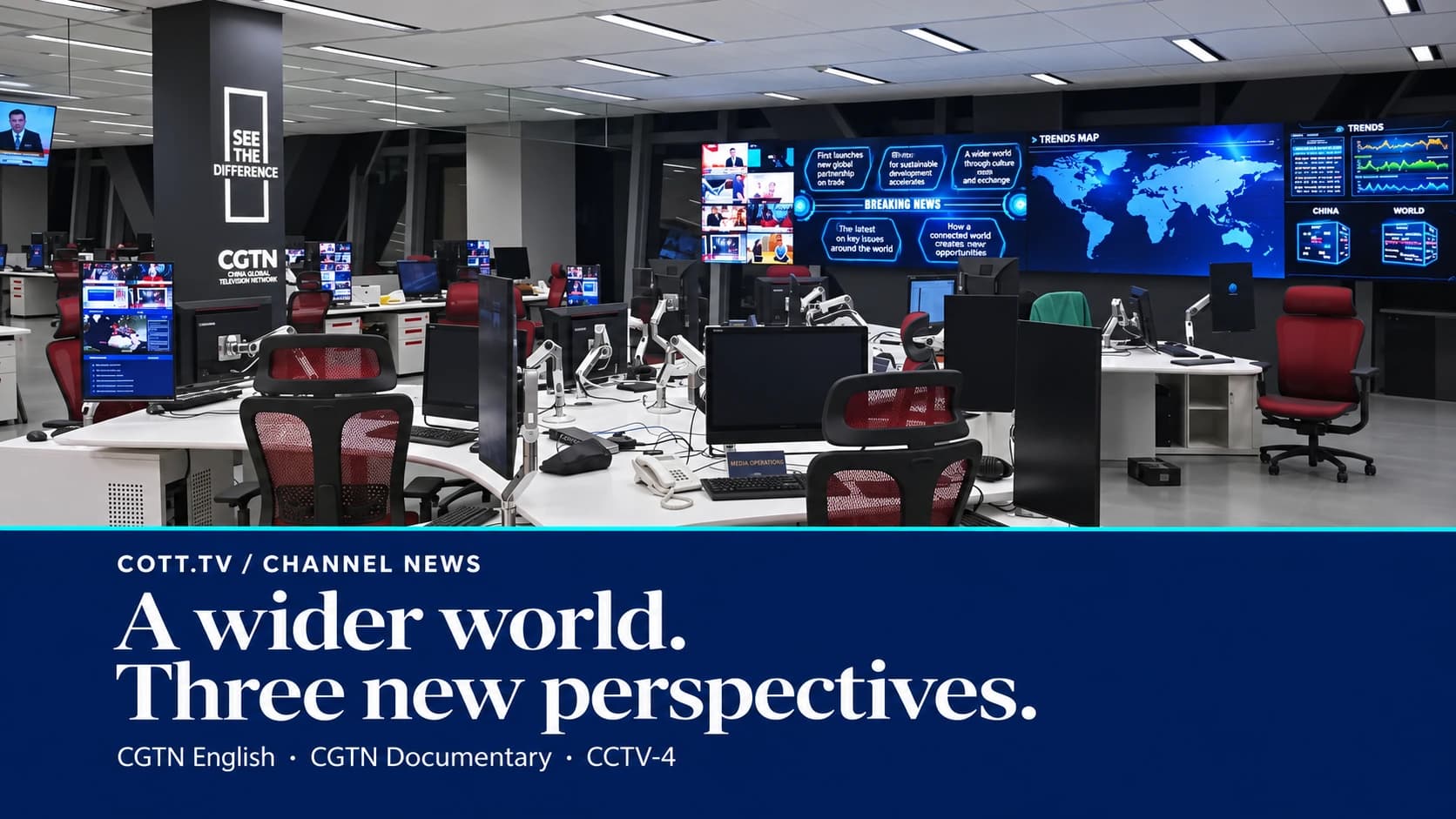
Three CGTN and CCTV services join COTT.TV hotel television
2026-11-03
CGTN English, CGTN Documentary and CCTV-4 Chinese International add international news, documentaries and Chinese-language programming to the COTT.TV hotel channel selection.