Hotel Upselling Without Dark Patterns: Timing, Relevance and Consent
September 3, 2026
Research period: June 2026
By COTT.TV Hospitality Technology Research Desk·Published September 3, 2026·2 min read

Quick Summary
Show a limited number of relevant offers, state the full price and conditions, require an active choice, confirm fulfilment capacity and measure completed service rather than clicks.
A good hotel offer solves a problem at the moment the guest can act. A late-checkout option before departure is useful. A countdown that restarts, a hidden surcharge or a preselected purchase is manipulation. Short-term conversion is not worth a complaint, chargeback or damaged relationship.
Use context, not pressure
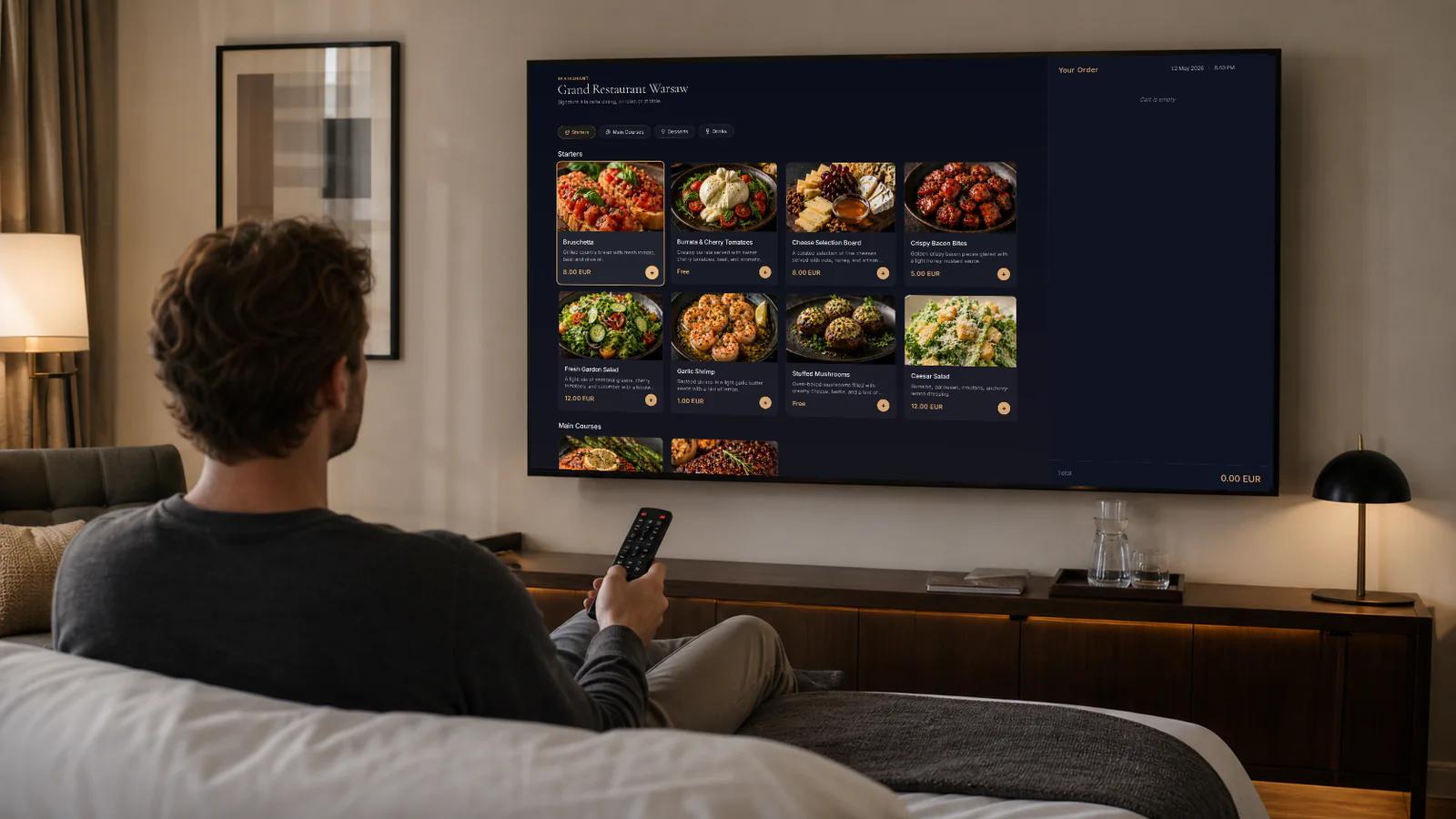
Time offers around the stay: dining after arrival, spa when availability exists, late checkout before departure and transport when flight timing makes it relevant. Do not infer sensitive traits or use personal data that the guest would not reasonably expect.
The European Data Protection Board identifies deceptive design patterns that overload, skip, stir, hinder or leave users in the dark. Although its guidelines focus on social platforms, the design principles are directly useful for hotel commerce.
The honest offer checklist
- 1full price, taxes and restrictions visible before confirmation;
- 2no preselected paid option;
- 3decline is as clear as accept;
- 4scarcity statements reflect real inventory;
- 5cancellation and fulfilment process is stated;
- 6the hotel can actually deliver at the promised time;
- 7confirmation identifies the room, item and total;
- 8support can find and correct the order.
Control frequency
One useful home-screen tile is more effective than repeated pop-ups. Cap messages by stay and avoid interrupting live content. Emergency and operational communication must always take precedence over promotion.
Measure net value
Track eligible rooms, views, interactions, confirmed orders, fulfilment, cancellations, complaints and net contribution. A campaign with many clicks but poor fulfilment is an operational liability.
Protect hotel choice
Hotels should approve partners, offer windows and creative. Central brand teams may define templates while properties control local inventory. Advertising should live in the menu and service experience, not cover television content.
COTT.TV commercial layer
COTT.TV supports targeted main-menu placements, property messages, points of sale and measurable guest interaction. The design keeps the hotel in control of consent, inventory and service delivery while making useful offers visible inside the room experience.
Sources and further reading
Related Posts
White-Label Hotel IPTV for Integrators: Commercial and Technical Due Diligence
2026-10-10
What systems integrators should verify before selling a branded hotel TV platform, from ownership and SLAs to hardware, support and investment value.
Hotel TV as a Revenue Channel: Ancillary Sales Without Annoying Guests
2026-08-17
The room television can sell breakfast, spa, late checkout and local experiences, but only when offers are timely, useful, measurable and separate from intrusive advertising over TV content.
Hotel AI Concierge Rules in Europe: An EU AI Act Checklist for 2026
2026-08-17
A practical guide to AI concierge transparency, staff literacy, human escalation, data minimisation and vendor governance for European hotels after the EU AI Act transparency rules began to apply.