Hotel TV Cybersecurity in 2026: A NIS2 and IoT Reality Check
May 15, 2026
By COTT.TV Editorial·Published May 15, 2026·11 min read
Quick Summary
Hotel cybersecurity in 2026 is being reshaped by three forces. First, hospitality attacks are becoming more frequent and more operationally disruptive. Second, NIS2 is moving cybersecurity evidence into procurement, vendor management, and supply-chain questionnaires, even for…
In April 2026, BWH Hotels notified guests that an unauthorised third party had accessed one of its reservation-related web applications. The exposed data included names, email addresses, phone numbers, postal addresses, reservation numbers, dates of stay, and special requests across the Best Western, WorldHotels, and SureStay brands. The affected records related to data generated between October 2025 and April 2026. The vector was a web application vulnerability. No payment data was taken, because the affected system did not store it.
BWH is not the headline this article wants to chase. The headline is that hotel cybersecurity coverage tends to focus on systems that have already been breached publicly: payment processing, property management, loyalty programs, and central reservations. These matter. They are also already on the IT director's radar.
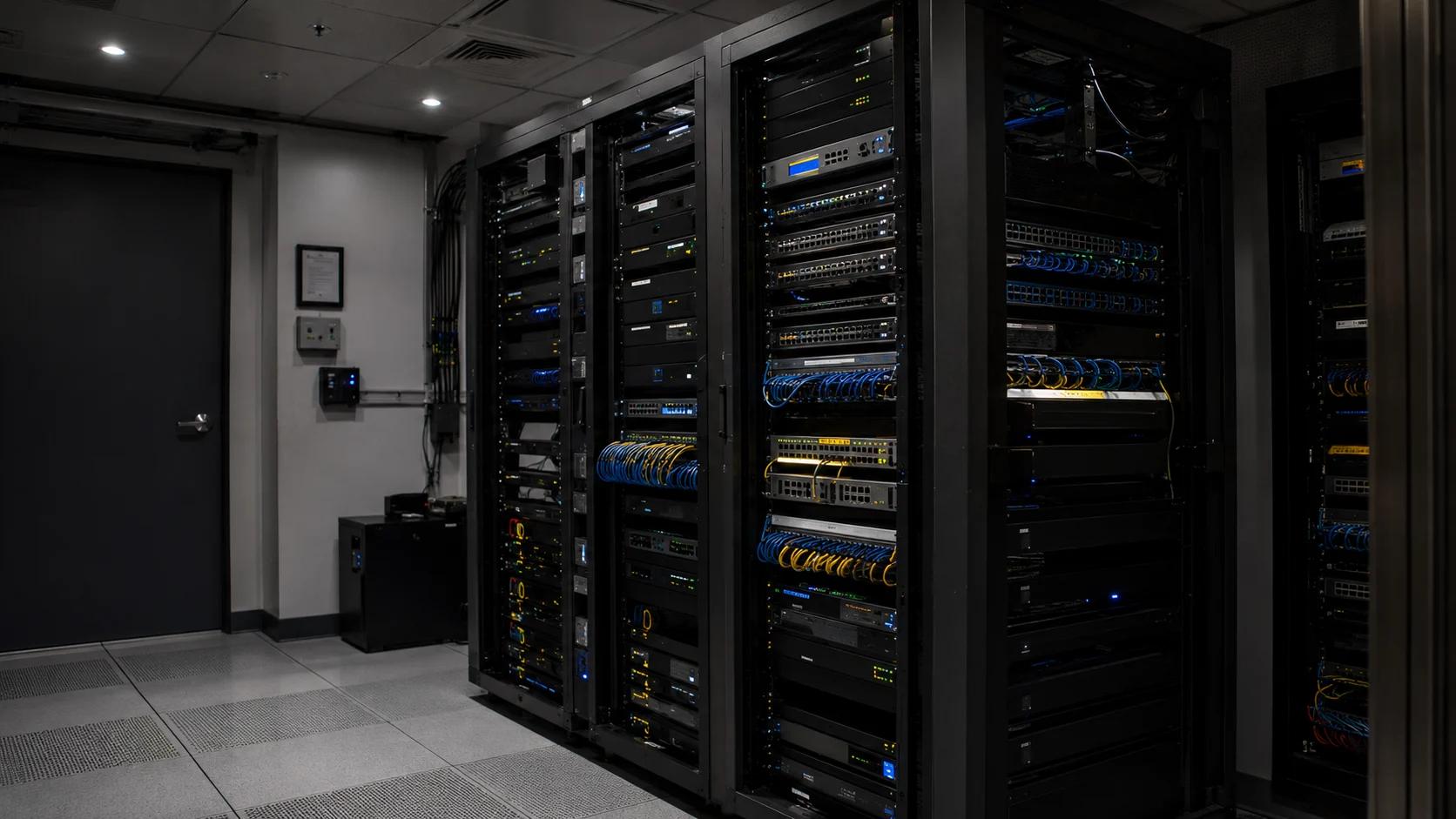
What gets less attention is the guest-room IPTV and connected-device estate. The smart TV in 400 rooms. The casting middleware. The set-top boxes installed behind the screens. The Wi-Fi network they sit on. The integrations they have into the PMS for billing, room status, and personalisation. These devices are rarely audited at the same depth as the PMS, almost never penetration-tested by the hotel itself, and often run firmware that the vendor controls and the hotel cannot fully inspect.
The IoT problem in the guest room
Hotel technology has changed faster than hotel network governance. The guest-room TV used to be a display. Today it is a connected endpoint, often tied to casting, IPTV middleware, room service menus, QR pairing, guest messaging, and PMS data. The same is true of tablets, smart thermostats, minibars, locks, and building-management interfaces. Each device is useful. Each also adds a new management surface.
The scale of hospitality cyber risk is no longer theoretical. VikingCloud reported that 82% of North American hotels experienced a cyberattack during summer 2024, and 58% were targeted five or more times. Those numbers are not specific to hotel TV. They do show the operating environment in which hotel technology buyers now work. Cyberattacks are no longer rare exceptions in hospitality. They are repeat events.
The incident pattern is familiar from IoT security research. A poorly segmented device is compromised first, then used as a pivot toward more sensitive systems. In hotels, the risk is practical rather than theoretical. Guest-room devices are numerous, often vendor-managed, and frequently connected to networks that also touch PMS, POS, casting, or building systems. One unpatched endpoint is not usually enough to create a major breach. One unpatched endpoint on the wrong network segment can be.
Android-based TV hardware deserves particular attention. In early 2026, the Kimwolf botnet, an Android variant associated with the Aisuru malware family, was reported to have infected more than two million Android devices through exposed Android Debug Bridge services and proxy-network abuse. Many reports linked this class of infection to Android TV devices, streaming hardware, and low-cost TV boxes. The lesson for hotels is not that every Android STB is unsafe. The lesson is that unmanaged Android endpoints, default services, exposed remote access, and weak segmentation create unnecessary risk.
The IPTV system and casting middleware sit in this same category. They are connected devices. They run firmware. They have network access. They may talk to the PMS. And in many hotels they are procured by operations, F&B, or ownership, not by the security team.
Why hotel IPTV is harder to defend than people assume
Three structural facts make the IPTV layer more difficult than a standard office endpoint.
Firmware lifecycle is controlled upstream. Whether the room runs on a Samsung Tizen hospitality TV, an LG Pro:Centric webOS unit, an Android TV STB, or a custom hospitality STB, the security update cadence is decided by someone other than the hotel. The hotel sees the result of that cadence, not the cadence itself. If hardware remains in the room for seven to ten years, the back half of its life can become difficult to govern.
Management interfaces are useful and risky. Hospitality TVs and STBs often include remote management paths for support, configuration, updates, and troubleshooting. Those paths are necessary. They also need strong authentication, property-level separation, access logging, and clear rules on who can enter the system and when.
The PMS integration is the soft join. The IPTV system may need to greet the guest by name, assign content to a room, update checkout state, bill paid services, or display personalised information. That usually means an API connection to the PMS or a middleware layer. If the IPTV system is compromised, the credential used for that integration becomes one of the assets an attacker will look for first.
None of this means hotel IPTV is unusually dangerous. It means it should be treated like real infrastructure, not like a consumer appliance attached to a wall-mounted screen.
NIS2 changes the procurement conversation
The NIS2 Directive came into force in January 2023, with a transposition deadline of 17 October 2024 for EU member states. Its practical implementation remains uneven across Europe, but the operational direction is clear: cybersecurity evidence is moving into governance, procurement, supply-chain security, and incident-response planning.
NIS2 requires in-scope entities to implement cybersecurity risk-management measures covering areas such as risk analysis, incident handling, business continuity, supply-chain security, access control, cryptography, asset management, and multi-factor authentication. Significant incident reporting follows a staged timeline: early warning within 24 hours, notification within 72 hours, and a final report within one month. Member state transposition remains uneven as of early 2026.
The penalty framework is serious. Essential entities can face maximum administrative fines of at least €10 million or 2% of total worldwide annual turnover. Important entities can face at least €7 million or 1.4%. Member states can set additional rules in national law.
Hospitality is not listed as a standalone NIS2 sector. Most hotels will feel NIS2 indirectly rather than directly: through cyber-insurance underwriting, payment-provider requirements, PMS vendor questionnaires, corporate procurement policies, and supply-chain clauses from technology providers that are themselves in scope. For hotel IT directors, the practical result is similar. Security evidence that once lived in enterprise IT is now appearing in hotel technology procurement.
That is where hotel IPTV enters the conversation. The question is no longer only "does the TV experience look good?" It is also "can the vendor show how the guest-room endpoint is isolated, updated, accessed, logged, and integrated?"
Cyber insurance is doing the other half of the enforcement
Regulation moves slowly. Insurance moves faster.
Hospitality cyber insurance underwriting has tightened since 2024, driven by repeat ransomware losses and the difficulty of pricing IoT risk. Insurers increasingly ask for evidence of multi-factor authentication, endpoint protection, network segmentation, incident-response procedures, regular patching, and access-control discipline. Those controls were once described as best practice. They are increasingly becoming a condition of coverage.
For hotels, this matters because guest-room technology can no longer sit outside the evidence file. A property that cannot answer whether the TV network is isolated from PMS, POS, and back-of-house systems may find that question returning in an insurance questionnaire, a corporate audit, or a brand-standard review.
The IPTV estate is not usually the largest cyber risk in a hotel. Web applications, third-party integrations, stolen credentials, and social engineering still sit higher on the list. But the TV layer is one of the largest least-audited surfaces in the building. That makes it a procurement problem.
What to ask the IPTV vendor in 2026
For hotels going through IPTV procurement or a TV refresh this year, six questions are now table stakes.
Firmware lifecycle. What is the patch cadence for the STB firmware, Smart TV app, and central management plane? Is there a documented end-of-support date for each hardware model in the proposal? How does the vendor handle urgent security updates?
Credential and access control. Are there default credentials anywhere in the deployment? How are management interfaces accessed? Are vendor support credentials per property, or shared across the install base? Is access logged?
Network architecture. What segmentation does the vendor require? Can the IPTV layer run on a dedicated VLAN? Does the system require lateral access to PMS, POS, guest Wi-Fi, or back-of-house networks? Which ports and destinations are required?
PMS integration. What data is exchanged with the PMS? Is the integration authenticated with a rotatable credential where supported? What scopes does the credential have? If the IPTV layer is compromised, what is the blast radius into the PMS?
Incident response and disclosure. Does the vendor have a vulnerability disclosure process? What is the contractual notification timeline if a vulnerability affects the platform? Can the vendor support a hotel's own NIS2-style reporting timeline by providing timely technical impact information?
Compliance documentation. Can the vendor provide a current security posture document, penetration-test summary, data-flow description, and network deployment guide? Does the documentation explain how the platform supports risk-management evidence for procurement, insurance, and brand audits?
The vendor's answers, or non-answers, are the signal. Generic "we take security seriously" responses are no longer enough.
What COTT.TV recommends
COTT.TV's recommended deployment model treats the IPTV layer as part of the hotel's operational security perimeter. For STB-based deployments, the device is installed discreetly behind the TV and controlled through a Bluetooth remote. The guest sees the hotel interface, not an extra box on the furniture. The technical architecture behind that clean room experience still needs to be governed.
Recommended deployments place STBs on a dedicated VLAN, restrict lateral access to PMS and back-of-house networks, use property-specific vendor access, and scope PMS integrations to the minimum data needed for billing, room status, and personalisation. Where supported by the PMS, credentials should be rotatable and least-privilege.
The same principle applies to Smart TV app deployments. A native LG webOS or Samsung Tizen app may reduce visible hardware in the room, but it does not remove the need for segmentation, lifecycle planning, update governance, and vendor access control. No-STB does not mean no endpoint. It means the endpoint has moved inside the TV manufacturer's platform.
The honest framing for hotels is this. The smart TV and IPTV system are not the most likely vector for a major hospitality breach in 2026. The web application, the third-party integration, and the social-engineering chain still are. But the IPTV system is a large, guest-facing, vendor-managed surface. The regulatory and insurance trajectory is heading toward that surface.
What to do before the next procurement cycle
For a property running an IPTV refresh, three near-term actions are practical.
Inventory the connected estate in guest rooms. Smart TVs, set-top boxes behind the TVs, casting hardware, in-room tablets, smart thermostats, smart minibars, and locks. Note the firmware version, vendor owner, last-patched date, and network segment for each class.
Ask the IPTV vendor the six questions above in writing. File the responses. If the hotel later receives a supply-chain questionnaire or insurance request, that file becomes useful evidence.
Confirm with the network team that the IPTV VLAN does not have a lateral path to PMS, POS, or back-of-house networks. If it does, that finding belongs in the next budget cycle.
The systems that get audited get hardened. The systems assumed to be harmless usually are not. The guest-room TV and the device behind it have spent too long in the second category.
Talking to procurement about IPTV security? Talk to the COTT.TV team for a technical walkthrough of the platform's segmentation, firmware, and integration posture, plus supporting documentation for your NIS2 and insurance questionnaires.
This article is industry analysis based on current public information about NIS2, the BWH Hotels breach disclosure, Android TV botnet activity, and 2026 hospitality cybersecurity research. It is not legal, compliance, or cybersecurity advice. Hotels should consult qualified legal counsel and security advisors for their specific jurisdiction, network architecture, contractual obligations, and incident-response requirements.
Related Posts
Hotel TV Without a Set-Top Box: A 2026 Procurement Reality Check
2026-05-15
Samsung's 2025 hospitality TV push and LG's Pro:Centric Smart roadmap have made 'no set-top box needed' the loudest pitch in hotel IPTV. The honest procurement answer is more nuanced.

Hotel IPTV for Boutique Hotels: Complete Guide for Properties Under 100 Rooms
2026-04-08
Why boutique hotels need IPTV and how to choose the right system. Cost analysis, feature priorities, and implementation guide for small independent properties.

How Hotels Get Found in AI Search: A Practical GEO and SEO Guide for 2026
2026-08-17
AI travel discovery rewards consistent facts, original local expertise and pages that answer real questions. Here is a practical hotel workflow for Google, ChatGPT-style search and direct-booking visibility.